


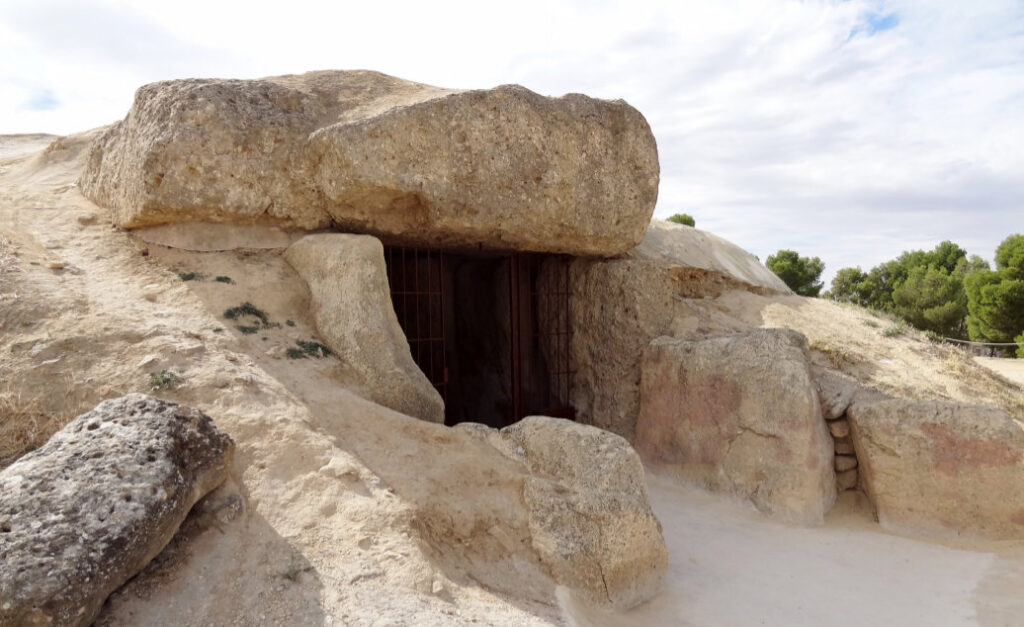


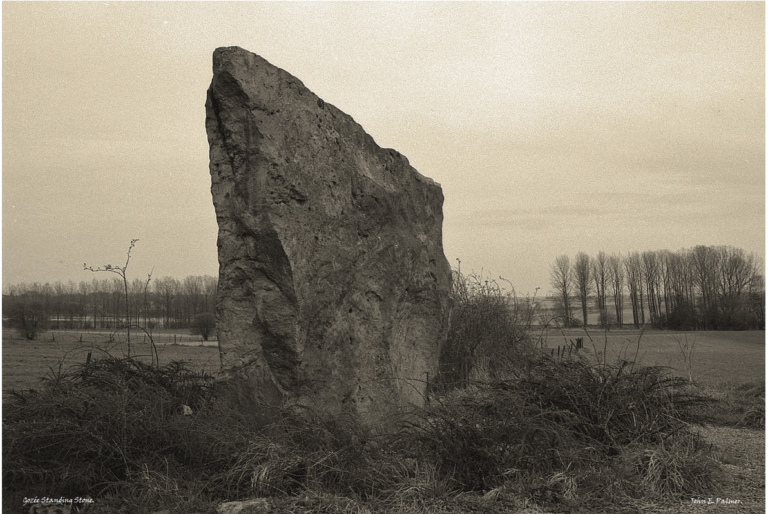
John E. Palmer, The Netherlands

Susu Jeffrey Coldwater Springs, Minnesota

Charles Miller, Michelle Berditschevsky, David Schooley & Patrick Orozco, Northern California

Lama Tovuu Baldan Baraivan, Mongolia
Visiting The Hopi Mesas with Eugene Sekaquaptewa
Eugene Sekaquaptewa, Hopi, Arizona
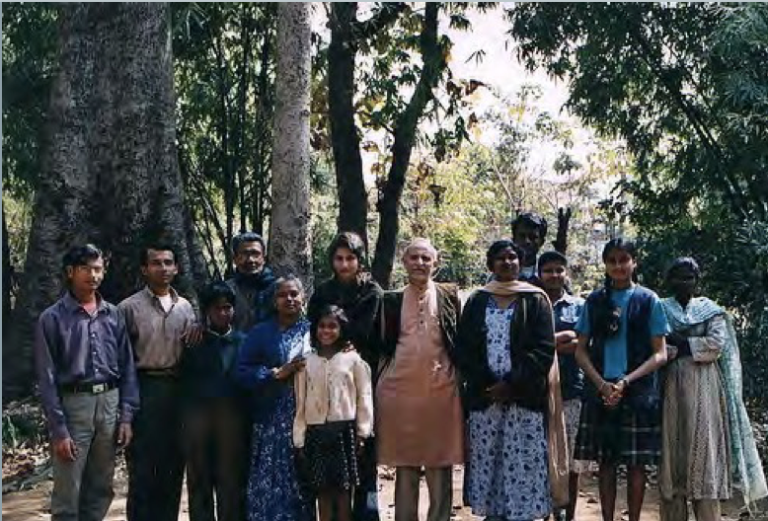
Bulu Imam, Hazaribagh, Jarkhand, India
Aunty Pua and Uncle Ned Lahaina, Maui, Hawaii
Facebook Posts
Archaeologists have discovered a 6,500-year-old cemetery in Northern France near the Marne River. They uncovered 11 graves, 30 megaliths, posts and a human shaped menhir. You can see examples of human-shaped menhirs in the article.

Archaeologists Find a Neolithic 10-Ton Human-Shaped Menhir Statue on the Edge of Paris
www.labrujulaverde.com
A stone statue as heavy as a school bus has turned up in a Paris suburb, lying in the pit where it once stood upright. It was found on a terrace of sediment left by the Marne River, on the southeaster…0 CommentsComment on Facebook
The monasteries of Sanahin and Haghpat, Armenia are unique by virtue of their blending of elements of both Byzantine church architecture and vernacular building styles of this region. These sacred places were declared a UNESCO World Heritage Site in 1996.
We direct you to an excellent Google Arts & Culture piece on the sites.
Monasteries of Haghpat and Sanahin, Armenia – Google Arts & Culture
artsandculture.google.com
Outstanding examples of the ecclesiastical architecture in Armenia0 CommentsComment on Facebook
Day of the Dead, or Día de los Muertos, is a spiritual celebration originating from Mexico, which is meant to honor our ancestors or remember our loved ones who have passed away. Often seen as a celebration of their lives, Día de los Muertos celebrations often involve the practice of creating altars or ofrendas. Although both terms are often used interchangeably an altar can be placed anywhere whereas an ofrenda, which translates to offering, is a specific type of altar that is placed at home. The process of creating an altar is a personal and spiritual one as one has to reconnect with the memories of the loved one as they decorate the altar with photographs, candles, flowers and food.
There are four elements that go into creating an altar: Fire, Air, Water, and Earth. Candles in an altar represent “fire” and are meant to light the way for the spirits to return home. A cup of water is often placed on the altar, representing the water element. Its purpose is to serve souls that are left thirsty from their travels. Marigold flowers, which represent earth, are placed in altars as they are the symbolic “flower of the dead" due to their strong smell which can help lead a loved one’s soul back. The last element, air, is represented by papel picado, or carefully cut colorful tissue paper, which is placed around the altar and the communities during Day of the Dead celebrations. Other altar decorations include: a loved one’s favorite food, Pan de Muerto (Bread of the Dead), Sugar Skulls, or children's toys of the altar is dedicated to children who passed away.
Since 2016, Mexico has celebrated the tradition with a large parade that has become a spectacle of culture and tradition. Consisting of colorful decorations such as papel picado, catrinas, and alebrijes. Despite many of these elements having an indigenous origin, this tradition was inspired by “Spectre,” a 2015 James Bond film. Nonetheless, each year there is a unique theme for the parade which is meant to acknowledge the indigenous cultures that make up Mexico's vibrant tapestry.
The celebration of Día de los Muertos is an expression of culture, indigenous beliefs, and a beautiful reminder that death is a natural part of life and that the connections between loved ones can continue even after death. It is a sacred ceremony that brings families and communities together to reminisce on the past memories of loved ones that have passed away while expressing our love and respect for them. All while celebrating the diverse heritage of the Mexican people.
www.downtownlongmont.com/events/longmont-day-of-the-dead/altars
www.artmexico.co.uk/pages/papel-picado-guide?srsltid=AfmBOoq5wEY9gi50H2AJFrO6-Qhps2HoW6IJR4nPUSca…
www.latimes.com/delos/story/2023-10-11/dia-de-muertos-james-bond-spectre-coco-mexico-city-target
1 CommentsComment on Facebook
Gangchen Ri Tenkhang is a Tibetan Buddhist temple located high on Observatory Hill in Darjeeling, India, which the local Tibetan exile community built in the early 1990s through voluntary labor and donations.
In the early 1990s, the Tibetan community pooled resources and physical labor to erect the small Tenkhang, a protective deity shrine.
Years of heavy monsoons, water leakage, and erosion have caused structural damage to the roof and building, prompting preservation efforts by organizations like the Tibet Relief to fund emergency repairs. Learn More about how you can help at www.tibetrelieffund.co.uk/appeal-protect-a-living-heritage
0 CommentsComment on Facebook
This is Djémila, a Roman town located in the mountains of Algeria, dating to 96-98 C.E.. It was greatly expanded in the 3rd C.E.
It is a World Heritage Site (1982) representing one of the best preserved Roman Ruins in North Africa. The site contains examples of sacred sites spanning centuries. The oldest temple was dedicated to Venus Genetrix, the temple of Gens Septima was dedicated to the Roman Emperor Septimius Severus (193-211 C.E.). Additionally, there was a Christian Quarter with one of the largest remains in the Paleo Christian era. Note the domed Baptistry.
The on-site Museum exhibits some of the finest collections of Roman mosaics as well as statuary.
0 CommentsComment on Facebook